Notes from the hive
News, lessons and
what we’re finding out.
Bee inspired by what the students are observing,
what we are learning about the pilot, and ideas
any educators are welcome to share.
Notes from the hive
Bee inspired by what the students are observing,
what we are learning about the pilot, and ideas
any educators are welcome to share.
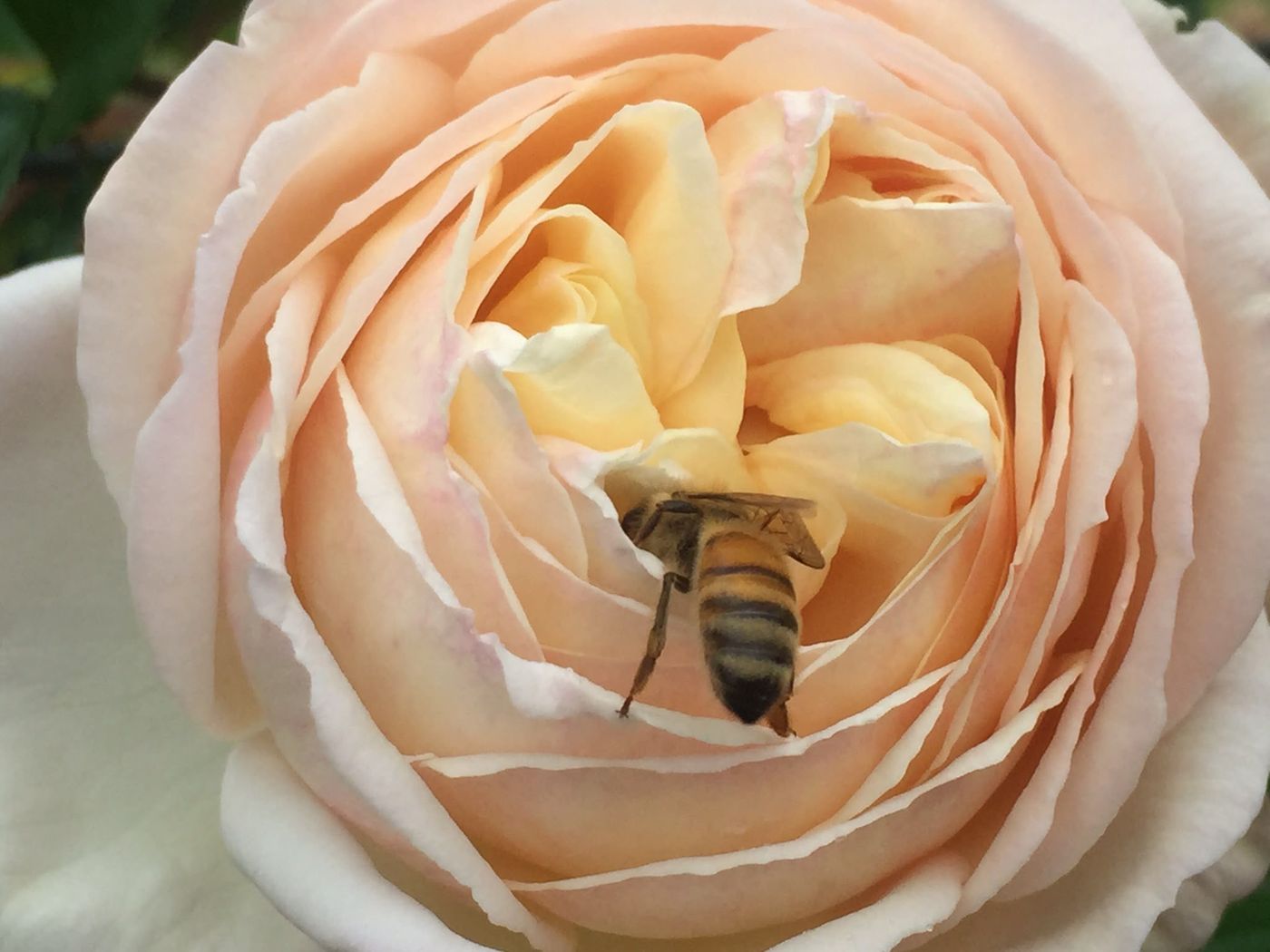
Researchers at Tel Aviv University found that evening primroses raised the sugar concentration of their nectar within minutes of sensing pollinator-like vibrations. Full lesson plan, free to use.
Read the article (opens external site) →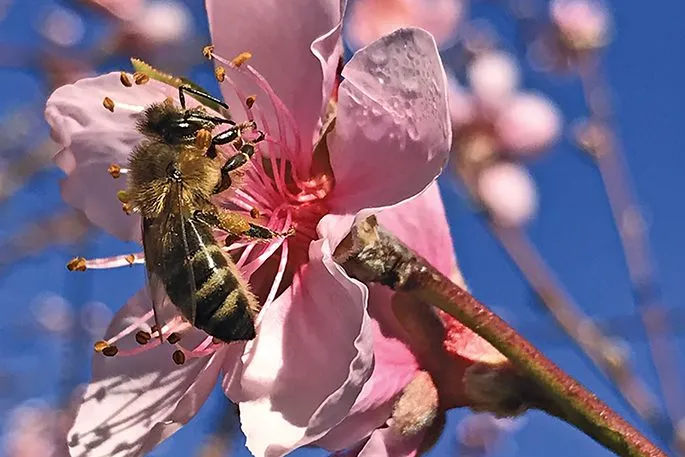
At a public meeting in Warkworth, Dr Ngaire Hart urged farmers, gardeners and beekeepers to protect New Zealand's native bees (Ngāro Huruhuru) — restricting early-summer pesticide use and planning around their nests rather than displacing them.
Read the Local Matters article (opens external site)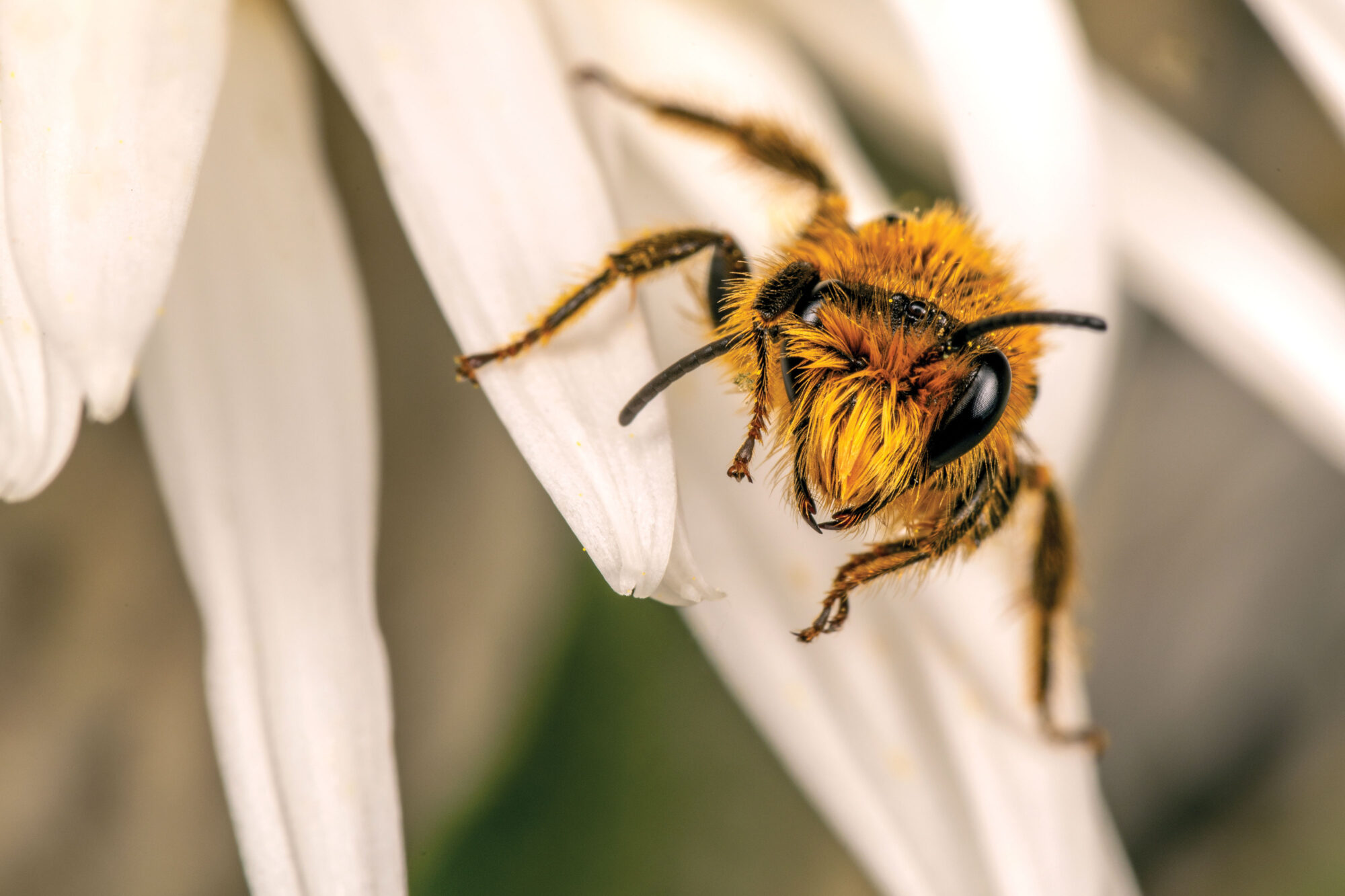
RNZ's Afternoons spoke to Dr Ngaire Hart about her PhD thesis on New Zealand's roughly thirty native bee (Ngāro Huruhuru) species, and why summer spraying can wipe out an entire colony.
Listen on RNZ (opens external site)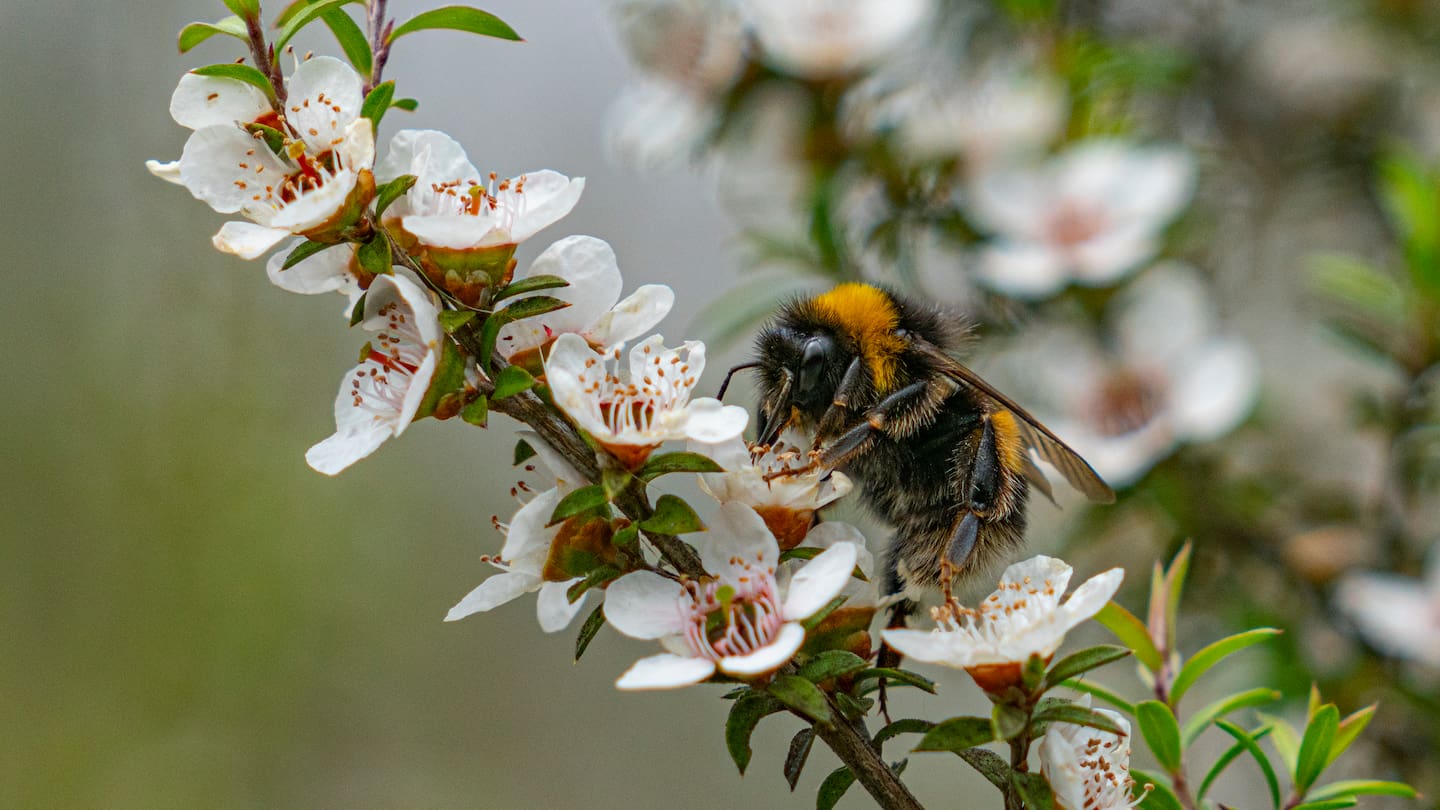
Waatea News spoke to Dr Ngaire Hart about a hearing on Actara, a neonicotinoid pesticide banned in the EU, and what it could mean for New Zealand's native bees (Ngāro Huruhuru).
Read the Waatea News article (opens external site)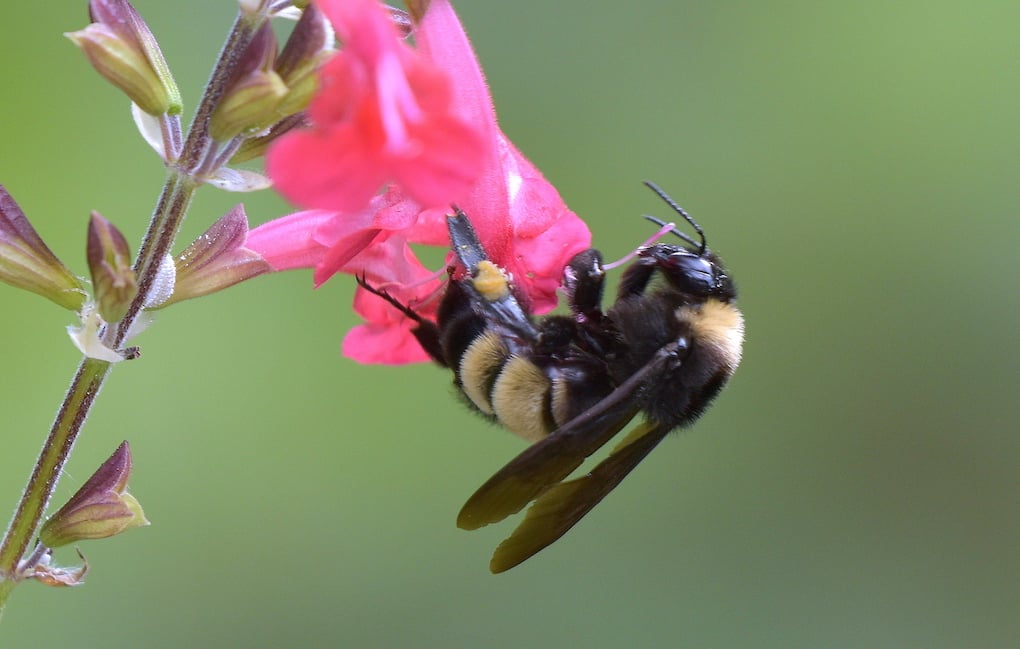
Dr Ngaire Hart — Bee Resilient's Chief Pollinator for native bee (Ngāro Huruhuru) science — became the first Māori woman to earn a PhD from AUT's engineering school, for research modelling the decline of native bee nests in Northland.
Read the AUT News article (opens external site)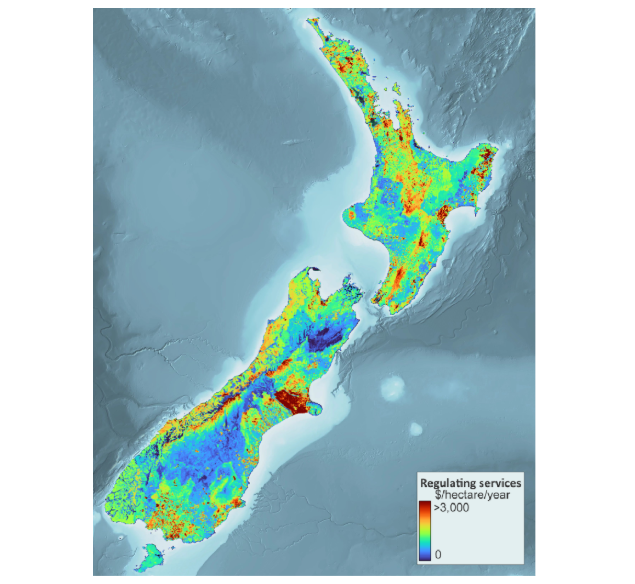
The PCE has released updated monetary values for New Zealand's ecosystem services — including pollination — so decision-makers can weigh them alongside economic costs instead of treating them as worth nothing.
Read the PCE report (opens external site)
Smart sensors are increasingly used across New Zealand apiaries to track hive temperature, humidity, weight and sound in real time — catching stress signs before they're visible. It's the same idea behind the hive and climate sensors on our own donate page.
Read the AgriTec article (opens external site)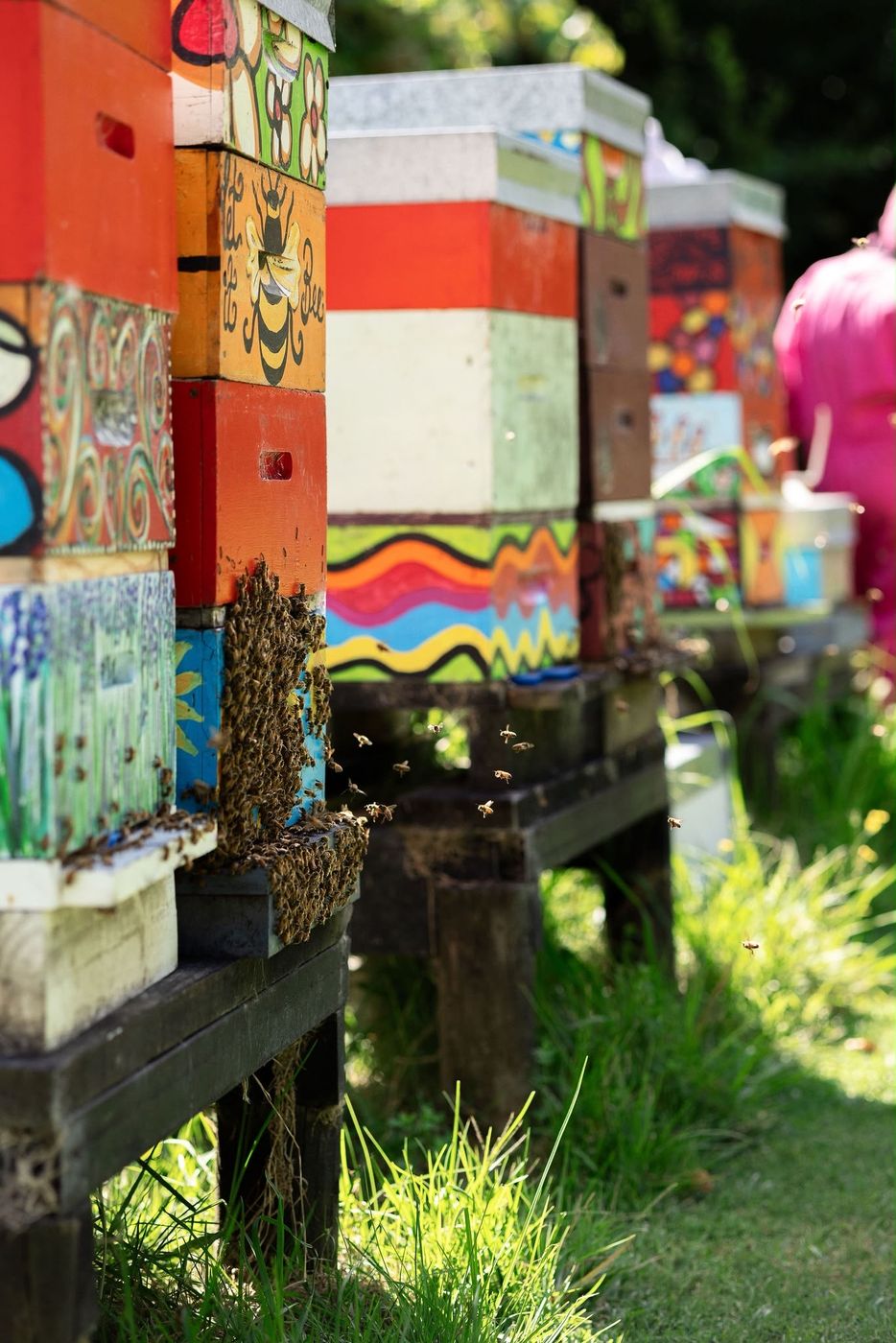
Forbes reports that hotels worldwide are turning apiaries into guest experiences — honey tastings, hive tours, even bee-focused spa treatments. It's the same instinct behind our own honey tasting fundraiser: let people meet the bees before you ask them to care about them.
Read the Forbes feature (opens external site)
A plain account of the first season — what we planned, what the weather did to it, and the three things we would do differently.
Write this post
What the students found, how they recorded it, and why a small dataset gathered consistently beats a big one gathered once.
Write this postNo newsletter theatre — a short email when there is something worth reading: a new lesson, a finding, a way to help.