A short lesson built around PlantChoir and one genuinely strange piece of science: some flowers appear to sweeten their nectar within minutes of detecting pollinator-like vibrations. Here is the whole thing, free to use.
What you need
PlantChoir, a healthy flowering or potted plant, a speaker or phone, and ideally a bee-friendly flower — lavender, salvia, borage or sunflower.
Open with the question
Gather everyone around the plant and ask who thinks plants can hear. Take a show of hands, then:
“Plants don’t have ears like we do. But scientists have discovered something amazing: some flowers can detect the vibrations made by pollinators.”
Then the reveal: when some flowers detect the sound of a bee approaching, something can happen to their nectar. Take guesses. The answer is that it can become sweeter — research on evening primrose found that within minutes of exposure to pollinator-like sound frequencies, the flowers increased the sugar concentration of their nectar.
Become the bee
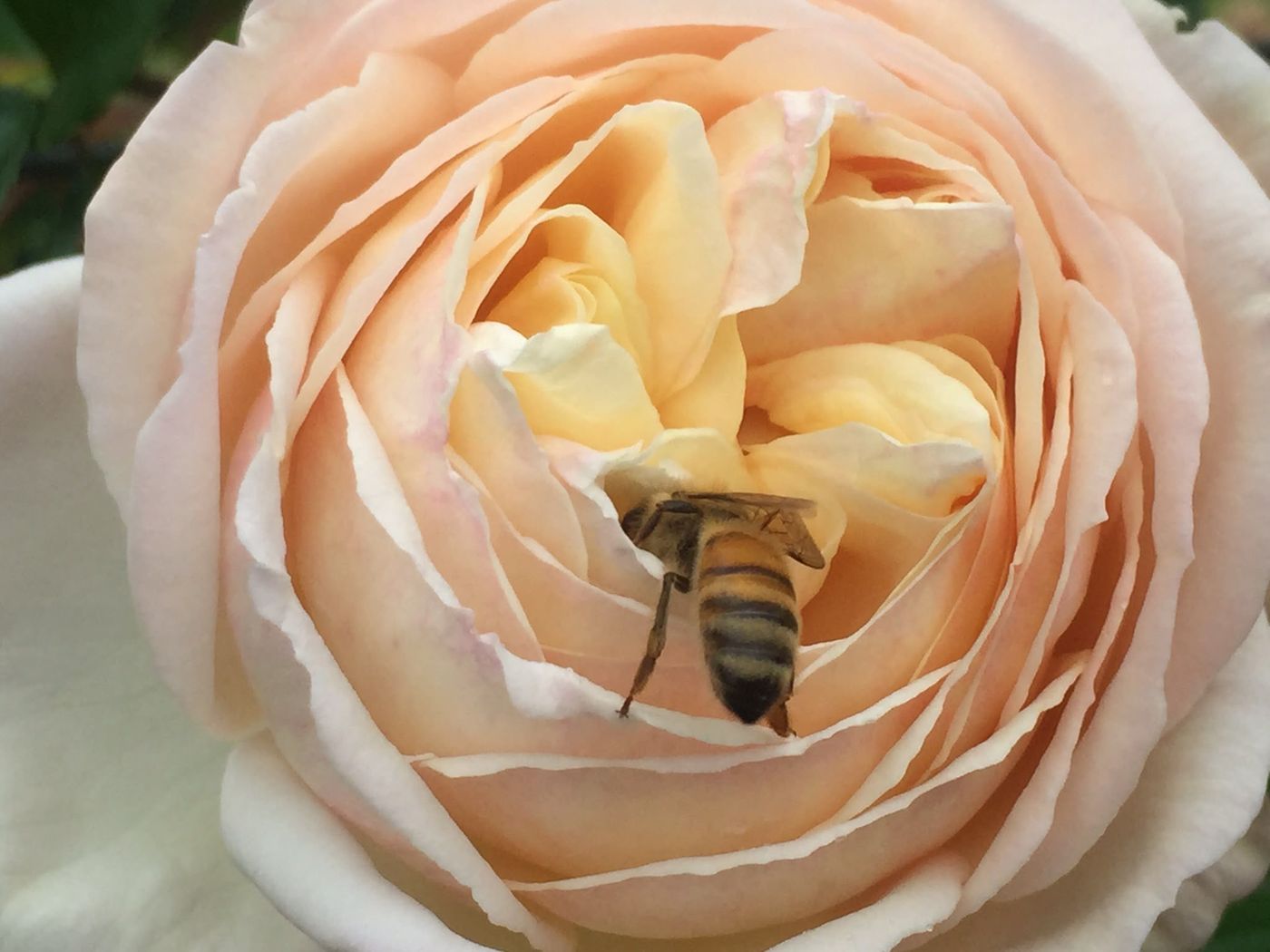
Everyone buzzes. Change the pitch — high, low, loud, quiet. A bee’s wings create vibrations as it flies, and the flower itself can vibrate in response; its shape may help collect those vibrations, almost like a tiny satellite dish. Have the children cup their hands behind their ears and ask what happens to your voice.
Key message
The flower isn’t listening like a human. It’s sensing vibrations.
Listen to the plant
Bring out PlantChoir and let everyone listen. Be precise about what it is: PlantChoir measures tiny changes in electrical conductivity in the plant and converts those patterns into musical notes. It is not translating thoughts or emotions, and saying so clearly is part of the science.
Then experiment, one change at a time — move near the plant, alter the light slightly, touch a leaf if your setup allows. Ask whether anything changed. Faster? Slower? Higher? Lower?
Bee meets flower
Ask the children to buzz while PlantChoir is connected, and imagine they are the flower. Bee buzzes, flower detects vibration, nectar can change, bee visits, pollen travels, plant reproduces. It is a relationship that has been developing for millions of years: the bee needs the flower, and the flower needs its pollinators.
Build a bee restaurant
If you were opening a restaurant for bees, what would be on the menu? Borage for nectar, lavender for long flowering, salvia for its tubular flowers, sunflowers for the landing pad, cosmos for accessibility, echinacea for its broad central platform. Then one rule worth remembering: think like a bee. Plant lots of flowers, plant different shapes, plant across the seasons, choose plenty of blue, purple, white and yellow, and avoid unnecessary pesticides.
Finish quietly
With PlantChoir still playing, give the children thirty seconds of complete silence. Don’t talk, don’t move, just listen to something alive. Then the close: bees don’t work alone, flowers don’t work alone, and a healthy ecosystem works because everything is connected. Ask what one thing each of them could do to help bees, take three or four answers, and finish with the call-and-response.
Bee Resilient call and response
You: “Bee kind.” · Children: “Bee curious.” · You: “Bee resilient.” · And finally: “Work hard…” — “STAY BUMBLE!”