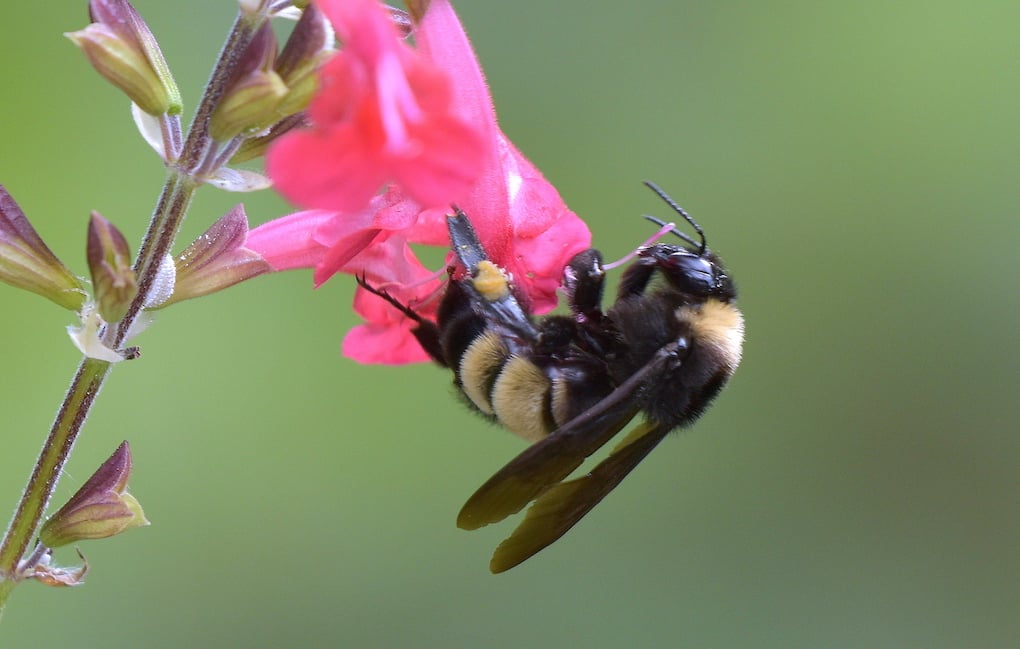
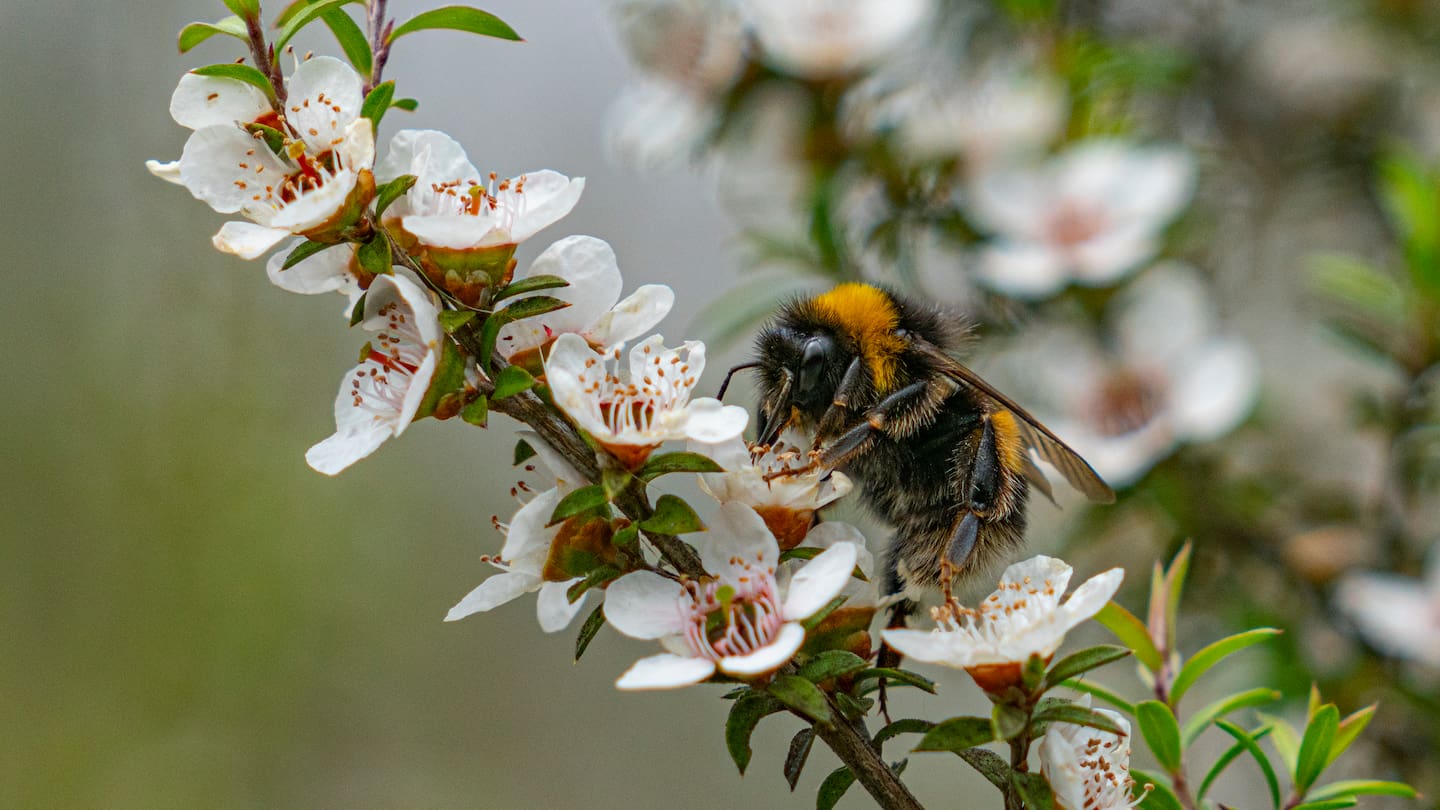
Meet our Native Bees (Ngāro Huruhuru)
Native pollinators (Ngāro Huruhuru), habitat and biodiversity – up close, with working beekeepers and scientists.
What does this teach us about making our community more resilient?
Inside the Hive
Preparation, communication, shared resources and collective action – a living model of what resilience looks like.
What does this teach us about making our community more resilient?
Soil = Resilience
Soil health, water retention, food growing and regeneration, tested and tracked by students over the seasons.
What does this teach us about making our community more resilient?
Plant for the Future
Pollinator habitat, shade, food, biodiversity and climate-ready gardens, planted and monitored across the year.
What does this teach us about making our community more resilient?
See Sound – Cymatics
A sensory demonstration of vibration and visible patterns, used for observation and systems thinking – not a medical or healing claim.
What does this teach us about making our community more resilient?
Bee Breathing
A simple paced-breathing wellbeing tool, practised together to build calm and self-regulation during stress or uncertainty.
What does this teach us about making our community more resilient?
Labs are facilitated by working beekeepers, scientists and educators, and are slotted into the eight-stage journey wherever they best serve the stage – mostly Stage 04: Nature Knows, but drawn on throughout. See the full sequence on The Programme.